Loading…
MiOTA Fall Conference 2026
Welcome to MiOTA’s Fall Conference 2026!
Venue: Mosel (50) clear filter
arrow_back View All Dates
Friday, October 2
 

9:45am CDT

Clinical Decision Making for Upper Limb Prosthetics
Friday October 2, 2026 9:45am - 10:45am CDT

This one-hour intermediate level course for PT/PTA, OT/OTA, RN, Case Managers will discuss how the impact of the loss of an arm, hand or digits cannot be overstated. This loss of aesthetic appearance, proprioceptive feedback, tactile sensation and fine, coordinated movements can only be replaced to a limited extent by a prosthetic device. Rehabilitation strategies and prosthetic component prescriptions should be patient centered with concentrated efforts to maximize function. The overall goal of amputation rehabilitation is to optimize the patient’s health, function, independence, and quality of life. The focus of this presentation will be the clinical decision-making process for adults with unilateral transradial or transhumeral level limb loss. With the knowledge gained from this presentation, the therapist will be a valuable asset to the prosthetist, working as a team to maximize the patient’s functional outcome.
 
Speakers
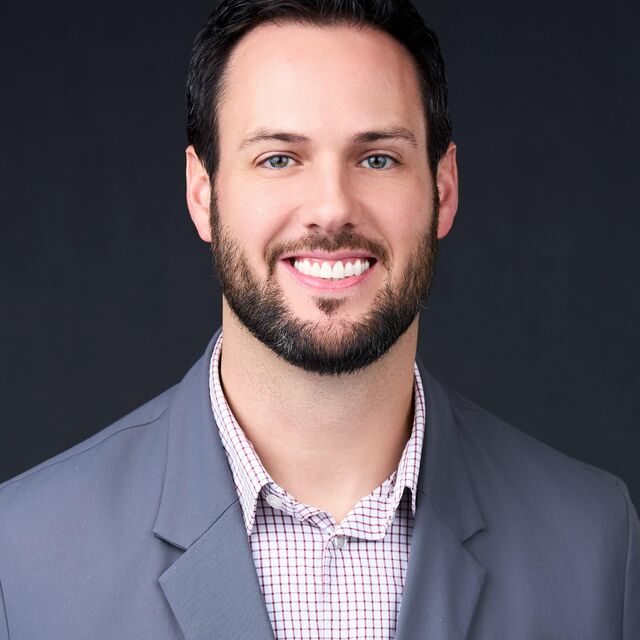
avatar for Ryan Sheridan

Ryan Sheridan

Upper Limb Prosthetic Specialist, Hanger Clinic
Ryan is an ABC-certified prosthetist and Upper Limb Prosthetic Specialist for Hanger Clinic. Ryan is based out of Metro Detroit and provides upper limb prosthetic support for the state of Michigan. With over 13 years of expertise in the field, he specializes in pediatric and adult... Read More →
Friday October 2, 2026 9:45am - 10:45am CDT
Mosel (50)
  common
  • global Y

11:00am CDT

Letter Writing: An Occupation Across the Life Span
Friday October 2, 2026 11:00am - 12:00pm CDT
Historically, a handwritten letter helped people to stay connected, especially at a distance. (Westlake, 1876) Now it is novel and creative act. Drafting a letter is a private, personal way to give voice to emotions, conduct business, create personal narratives, and navigate difficult conversations. The recipient of the letter can be the writer themselves, family / friends, business associates, potential employers, government officials, or others. The task of writing and sending a letter is a potential therapeutic occupation-based intervention that therapists can use to address psychosocial, cognitive, sensory motor, self efficacy, and recovery issues for clients of varying ages, capacities, in a variety of settings.  (Tadros et al, 2024) ( Gerde et al, 2014) The workshop will review structure and etiquette, adaptation and modification in person, environment or task, evidence of positive outcomes from various disciplines and settings, and cultural considerations
Speakers
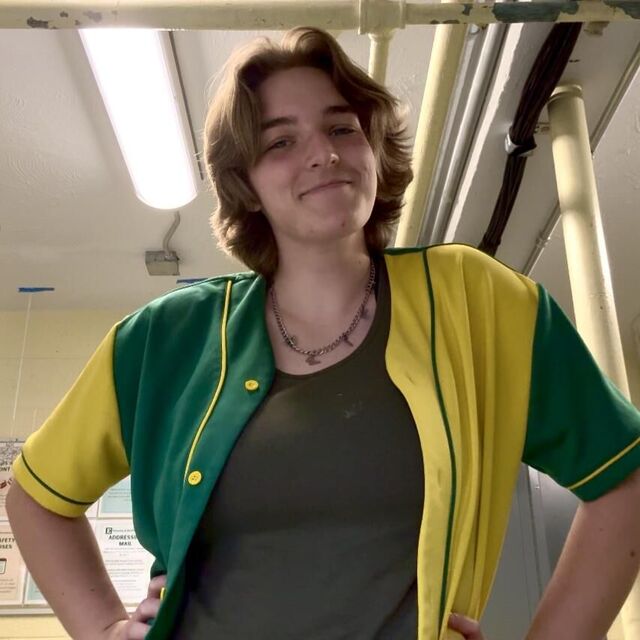
KA

Kathleen A Garvey

Owner, Sustain-Hability, LLC
Since Katie believes that health and well-being is promoted and maintained best through daily engagement in beloved routines and interests in a chosen supportive environment, she started her own community based  OT practice in 2025. She helps older adults integrate and flourish... Read More →
Friday October 2, 2026 11:00am - 12:00pm CDT
Mosel (50)
  common
  • global Y

1:00pm CDT

Beyond the Syllabus: Actionable Strategies for Fostering Belonging Among Minority OT Students
Friday October 2, 2026 1:00pm - 2:00pm CDT
While diversity in occupational therapy enrollment has seen incremental growth, securing a seat at the table is only the first step. For underrepresented and minority students, true academic success and clinical confidence depend heavily on a deep sense of institutional belonging. Factors that foster a student’s sense of belonging include aspects of one’s campus environment (Strayhorn, 2023). Strayhorn (2023) stated that Black students’ sense of belonging positively correlates with academic outcomes such as grades and persistence, and personal development such as identity. Students can feel out of place on other campuses that are dissimilar to their home communities. Students of color, for example, struggle with feelings of belonging in higher education, especially at PWIs (Matthews et al., 2022). Too often, traditional OT curricula and standard fieldwork models unintentionally reinforce systemic barriers, leading to psychological distress, isolation, and higher attrition rates among minority cohorts.
This educational seminar moves beyond theoretical definitions of equity to provide occupational therapy faculty, program directors, and fieldwork coordinators with concrete, evidence-based frameworks for cultivating inclusive educational environments. The speaker will examine hidden institutional barriers and outline effective methods to shift from mere representation to active retention.
Attendees will be guided through a series of illustrative case studies demonstrating how to establish psychological safety in both the classroom and clinical settings. Finally, attendees will identify strategies to improve inclusive practices.
Matthews, A. K., Abboud, S., Smith, A. U., Smith, C., Jeremiah, R., Hart, A., & Weaver, T.
(2022). Strategies to address structural and institutional barriers to success among
students of color in nursing programs. Journal of Professional Nursing, 40, 96–104.
https://doi.org/10.1016/j.profnurs.2022.03.005


Strayhorn, T. L. (2023). Estimating differences in the effects of living-learning community
participation on Black students’ sense of belonging at predominantly white and
historically black colleges and universities. Journal of College Student Development,
64(2), 225-230.
By the end of this session, participants will be able to:
  1. Analyze at least three systemic or institutional barriers that uniquely impact the sense of belonging and academic performance of minority students in OT programs.
  2. Consider culturally responsive teaching or mentorship frameworks that foster psychological safety in both classroom and fieldwork environments.
  3. Identify strategies to assess and improve inclusive practices within their own OT curricula or student support systems.


Speakers
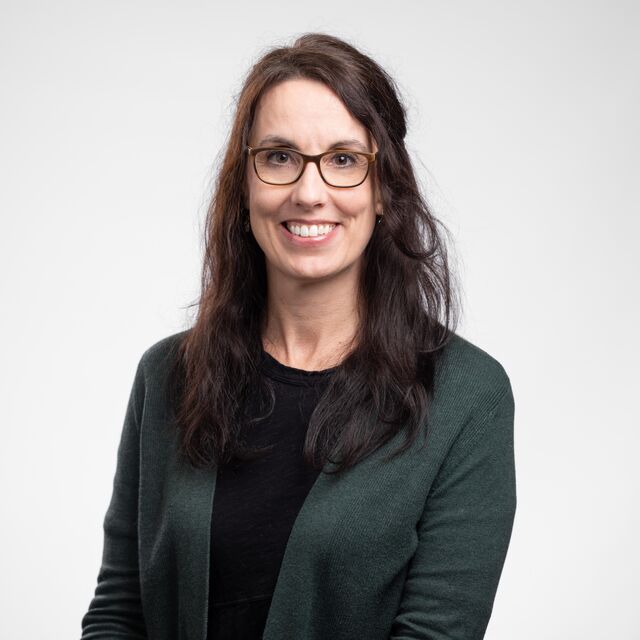
avatar for Kimberly Simpson

Kimberly Simpson

Program Coordinator/Professor-OTA Program, Mott Community College
Outside of her professional roles, Kim enjoys traveling and spending quality time with her husband, Willie, and celebrating the accomplishments of their children—Jada, Kameron, and Deborah—as they pursue their dreams. She especially loves keeping up with the adventures of her... Read More →
Friday October 2, 2026 1:00pm - 2:00pm CDT
Mosel (50)
  common
  • global Y

2:15pm CDT

Restoring What Matters: The Thamman Method of Myofascial Manipulation — An Occupation-Centered Framework for Bilateral Fascial Release, Neuromuscular Re-Education, and Return to Fearless Daily Function
Friday October 2, 2026 2:15pm - 3:15pm CDT
Adaptive equipment is an essential OT tool — but it should be the last resort, not the first response. When a client cannot open a jar, button a shirt, or reach overhead to dress, the occupation-centered question is whether the underlying restriction can be restored before compensation becomes the permanent solution. For the chronic musculoskeletal conditions that dominate physical rehabilitation caseloads — carpal tunnel syndrome, trigger finger, arthritic hands, lateral epicondylalgia, and shoulder restriction — restoration is achievable when two mechanisms driving chronicity are directly addressed: bilateral compensatory fascial loading and neurological guarding that persists long after tissue release.
This evidence-based presentation introduces the Thamman Method of Myofascial Manipulation, a three-phase occupation-centered bilateral manual therapy framework grounded in the OTPF-4 and measured through the COPM, PSFS, and DASH. Attendees will learn how bilateral fascial assessment, a four-layer MFR sequence, and task-specific automaticity training restore fearless, automatic occupational performance — eliminating the need for adaptive equipment entirely.
References
American Occupational Therapy Association. (2020). Occupational therapy practice framework: Domain and process (4th ed.). American Journal of Occupational Therapy, 74(Suppl. 2), 7412410010.
Cup, E. H. C., Scholte op Reimer, W. J. M., Thijssen, M. C. E., & van Kuyk-Minis, M. A. H. (2003). Reliability and validity of the Canadian Occupational Performance Measure in stroke patients. Clinical Rehabilitation, 17(4), 402–409.
Hudak, P. L., Amadio, P. C., & Bombardier, C. (1996). Development of an upper extremity outcome measure: The DASH. American Journal of Industrial Medicine, 29(6), 602–608.
Kleim, J. A., & Jones, T. A. (2008). Principles of experience-dependent neural plasticity: Implications for rehabilitation after brain damage. Journal of Speech, Language, and Hearing Research, 51(1), S225–S239.
Langevin, H. M., & Huijing, P. A. (2009). Communicating about fascia: History, pitfalls, and recommendations. International Journal of Therapeutic Massage and Bodywork, 2(4), 3–8.
Law, M., Baptiste, S., Carswell, A., McColl, M. A., Polatajko, H., & Pollock, N. (2019). Canadian Occupational Performance Measure (5th ed., rev.). CAOT Publications.
Myers, T. W. (2014). Anatomy trains: Myofascial meridians for manual and movement therapists (3rd ed.). Churchill Livingstone Elsevier.
Schleip, R. (2003). Fascial plasticity: A new neurobiological explanation. Part 1. Journal of Bodywork and Movement Therapies, 7(1), 11–19.
Stratford, P., Gill, C., Westaway, M., & Binkley, J. (1995). Assessing disability and change on individual patients: A report of a patient-specific measure. Physiotherapy Canada, 47(4), 258–263.
Swinnen, S. P., & Wenderoth, N. (2004). Two hands, one brain: Cognitive neuroscience of bimanual skill. Trends in Cognitive Sciences, 8(1), 18–25.
Vlaeyen, J. W. S., & Linton, S. J. (2000). Fear-avoidance and its consequences in chronic musculoskeletal pain: A state of the art. Pain, 85(3), 317–332.
Woby, S. R., Roach, N. K., Urmston, M., & Watson, P. J. (2005). Psychometric properties of the TSK-11. Pain, 117(1–2), 137–144.

Speakers
ST

Sanjeev Thamman

Occupational Therapist / Owner, Cascade Physical Therapy & Rehabilitation P.C.
Sanjeev Thamman, MHS OTR, and Bindu Thamman, PT, are the founders of Cascade Physical Therapy and Rehabilitation in Grand Rapids, Michigan, where they have maintained a private practice since 2008. Sanjeev has practiced occupational therapy since 1990 and holds a Master of Health... Read More →
Friday October 2, 2026 2:15pm - 3:15pm CDT
Mosel (50)
  common
  • global Y
 
MiOTA Fall Conference 2026

From $169.12
Share Modal

Share this link via

Or copy link

Filter sessions
Apply filters to sessions.
Filtered by Date -